As we move through the 21st century, we are increasingly seeing the
emphasis shift from students as robotic, generic, data receptors to
cultured individuals that actively process the information presented to
them. Inherent in this framework is the idea of students as cultured
individuals, who approach their schooling lives differently to every
other student around them. Therefore, cultures must be recognized and
incorporated into the way we teach students.We can see the importance of
this through the comparison of two quotes from Pudsey, Wadham and
Boyd's first chapter in the book Culture and Education. These quotes are
"Culture shapes education and education shapes culture" and "Culture is
the embodied lens we inherit from the past via which we look at the
world".
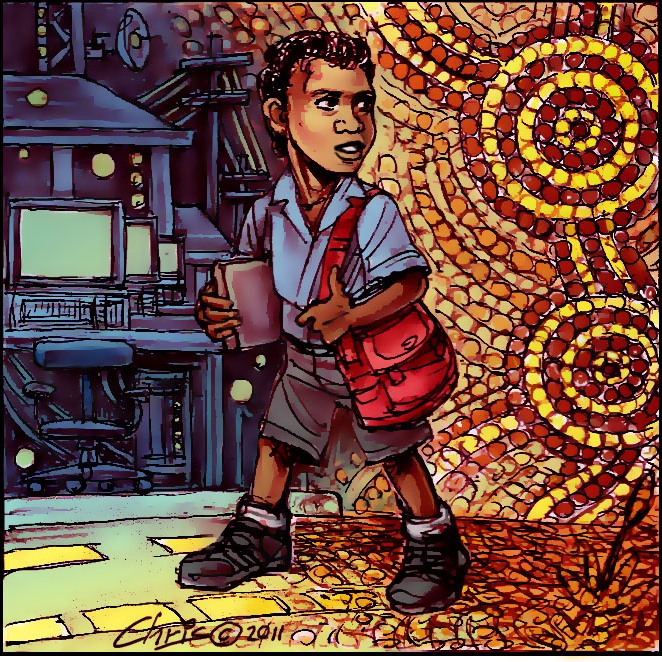 An article concerning the well being of aboriginal Australians and the part that identity and culture play provides us with a great example of how education can help to close the health gap between indigenous and non-indigenous Australians. The article argues that "The cumulative effect of inter-generational trauma and ‘malignant
grief', combined with social and economic disadvantage, has resulted in
high rates of psychological distress, substance abuse and self-harm. These three factors have been compounded in contemporary education, and fundamental changes must be made to the way Aboriginal culture is accessed and expressed, in order to make positive changes to the "embodied lens" at which Aborigines see themselves in contemporary society. If things continue along this path, Indigenous Australians are at risk of losing their sense of identity and culture. Education can be used to celebrate certain parts of history, and to blunt harmful ideas that have existed for quite frankly, too long. It can be used to shape culture from something that has been inherently taboo, into something that is celebrated amongst both indigenous and non-indigenous Australians. In this way, the causes of inter generational trauma and malignant grief can be spoken about and dealt with, so that their impact on a students future will be, to some extent, lessened.
An article concerning the well being of aboriginal Australians and the part that identity and culture play provides us with a great example of how education can help to close the health gap between indigenous and non-indigenous Australians. The article argues that "The cumulative effect of inter-generational trauma and ‘malignant
grief', combined with social and economic disadvantage, has resulted in
high rates of psychological distress, substance abuse and self-harm. These three factors have been compounded in contemporary education, and fundamental changes must be made to the way Aboriginal culture is accessed and expressed, in order to make positive changes to the "embodied lens" at which Aborigines see themselves in contemporary society. If things continue along this path, Indigenous Australians are at risk of losing their sense of identity and culture. Education can be used to celebrate certain parts of history, and to blunt harmful ideas that have existed for quite frankly, too long. It can be used to shape culture from something that has been inherently taboo, into something that is celebrated amongst both indigenous and non-indigenous Australians. In this way, the causes of inter generational trauma and malignant grief can be spoken about and dealt with, so that their impact on a students future will be, to some extent, lessened.
A Canadian expert in Indigenous social and emotional wellbeing and suicide prevention has argued that "Indigenous communities that take steps to preserve their cultural past
and control their civic lives experience better health and fewer
suicides". Professor Michael Chandler, of the University of British Columbia in Canada, has found "having a sense of identity and cultural continuity can help
Aboriginal people, especially youth, to see they have a
future. Self-government, land rights, community-controlled services,
women in positions of leadership and facilities dedicated to cultural
purposes have all been identified as markers of cultural continuity." An important step in achieving this is to redevelop how Aboriginal Australians are portrayed in Australian History through schooling, to shift emphasis from the past to the future, and to allow them to find an identity for themselves, rather than having a stereotype placed upon on them.
References
Unknown author, Culture and identity key to helping Indigenous mental health, Found at http://phys.org/wire-news/104647239/culture-and-identity-key-to-helping-indigenous-mental-health.html
Wadham, B.Pudsey, J. & Boyd, R. (2007). Culture and education. Sydney: Pearson Education. Chapter 1: What is culture?

Dear Matt,
ReplyDeleteAn interesting post. You could also consider the dangers of only considering Aboriginality in relation to culture - and the way education reinforces this view. This can marginalise the political and economic aspects of contemporary Aboriginality.
Regards,
Kal